Where has discovery gone? Find out how you can capitalize on modern search to drive positive business outcomes.


If your Gen Z marketing strategy is built on TikTok trends and tired stereotypes, you might be selling your brand short. As the first generation raised entirely in the digital age, Gen Z grew up navigating economic uncertainty and constant connectivity, impacting how they spend, engage and evaluate brands. With increasing purchasing power and a sharp radar for inauthenticity, Gen Z is forcing brands to rethink what marketing looks like.
Too often, stereotypes peg Gen Z as lazy and unmotivated, but the data indicate that’s far from the truth. Born between 1997 and 2012, this generation is growing up. They’re ambitious, focused on making a difference, and their attitudes towards brands are challenging traditional marketing assumptions.
If you want your brand to stay relevant in 2026, here are five Gen Z trends from our partners at GWI that you need to understand and what it means for your marketing strategy.
GWI data shows Gen Z prioritizes relationships and shared experiences over material possessions. They use social media to keep in touch with friends and build niche communities. By using social apps like messaging hubs, Gen Z is reshaping how influence spreads.
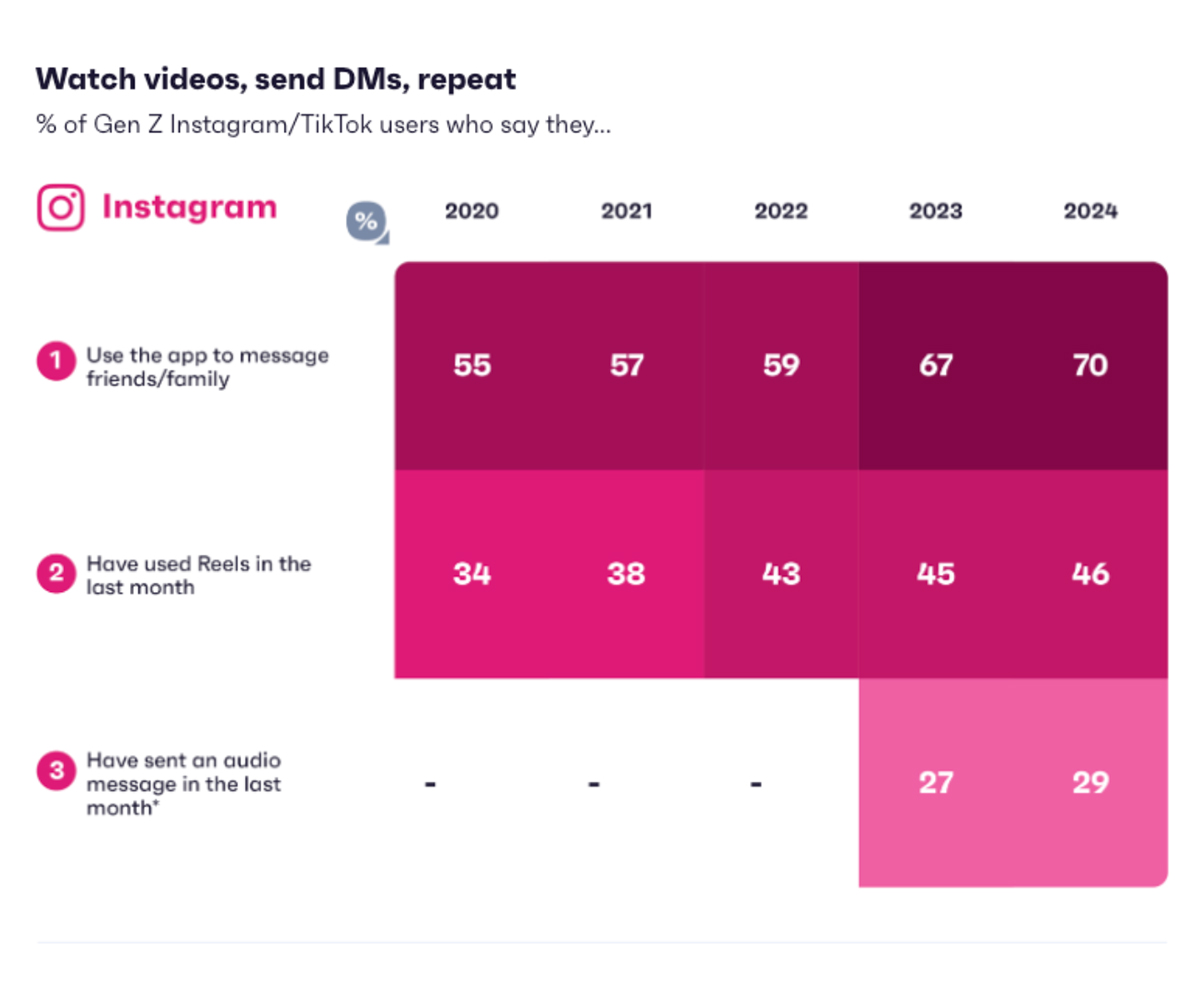
With community validation and peer influence carrying more weight, reach is no longer the metric that matters. For brands, the new currency is participation, like Instagram Lives or Twitch streams. Data across industries signals the need to invest in creator partnerships to spark connections and build community by focusing on live streams and events, rather than one-off campaigns.
At the same time, Gen Z is the first generation designing life around autonomy rather than milestones. Data reveals that at least 69% of Gen Z are single, and many have no plans to change their relationship status. Whether it’s traveling solo or dining alone, they rely on personal choice to drive lifestyle decisions.
Brands successfully targeting Gen Z are focused on individuals, ditching couple-centric or family-first messaging. Creating campaigns that celebrate independence resonates with Gen Z consumers.
Stagnant wages, layoffs and slow job growth are reshaping work. The idea of employees climbing the corporate ladder at a single company is long gone. The average American will now hold 12.9 jobs.
In response, Gen Z is turning its focus to side hustles, portfolio careers and creator economies. Despite a desire for workplace flexibility, the appeal of working remotely is also declining, with many employees preferring a hybrid schedule.
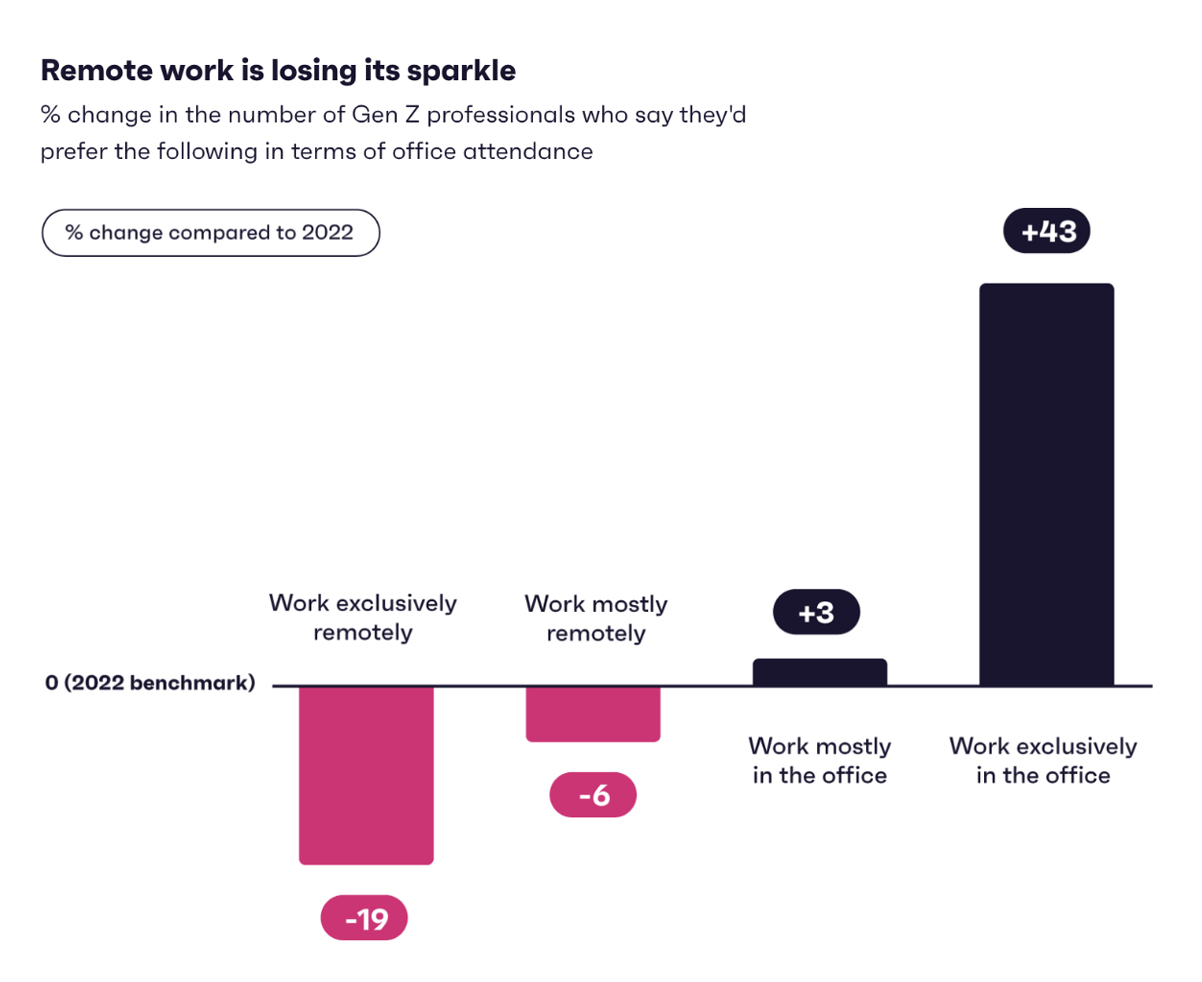
GWI’s analysis shows that marketers need to acknowledge evolving workplace expectations. It’s time to stop marketing to “young professionals” like they all want corner offices and climbing titles. That’s not the goal anymore. Ad campaigns focused on flexibility and customizable products are what it’s all about.
High inflation and an unpredictable job market are making this generation practical about money. Gen Z doesn’t impulse-buy. They audit and evaluate purchases for value and ethics. Accessible tech and financial know-how are even driving Gen Z to embrace investing more than previous generations.
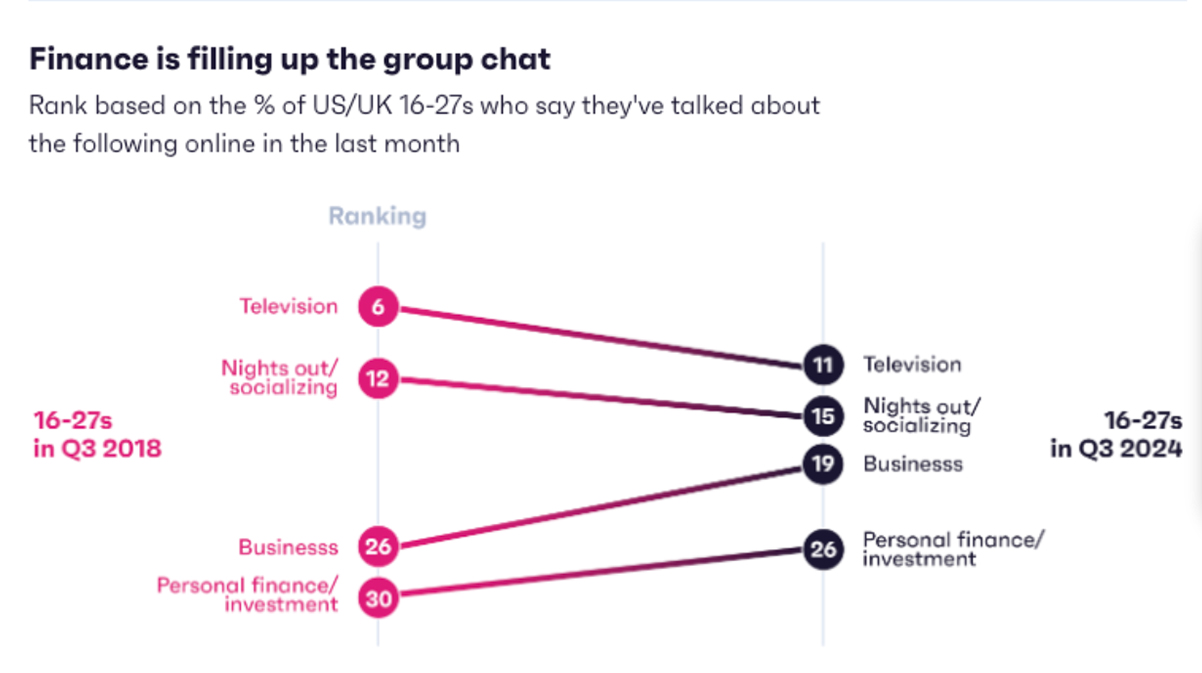
Given their financial acumen, discounts alone won’t turn Gen Z consumers into loyal customers. Brands need to invest in marketing strategies that educate consumers and offer flexible purchasing options, such as subscriptions and bundles.
According to GWI, Gen Z is breaking up with fad diets and extreme exercise routines, rejecting unrealistic perfection. Wellness remains a priority, but they’re turning to a balanced approach to achieve their health goals. This lifestyle change is reflected in the growing demand for alcohol-free beverages and energy drinks.
We’re seeing a shift toward positioning your brand as one that promotes balance rather than transformation. Showcasing real and relatable people in messaging and creating content that educates rather than shames is crucial.
At TriMark, we don’t rely on assumptions or stereotypes. We analyze the data behind shifting attitudes, purchasing patterns and media consumption to uncover what actually drives action. By building campaigns designed for participation, not just impressions, we turn insights on market-shaping audiences into meaningful strategy.
If you’re ready to move beyond generational clichés and future-proof your marketing, TriMark can help lead the way.
CONTACT US
We don’t do one-size-fits-all. We build custom strategies that solve real business problems and drive results you can measure. Let’s talk about how we can grow your brand—starting today.